introduction: when renting cloud servers in japan, companies often weigh between "long-term rental" and "pay-as-you-go". this article starts from the billing model, applicable scenarios, cost influencing factors and optimization strategies to help you determine how much it is more cost-effective to rent a cloud server in japan, and provides executable evaluation methods and suggestions.
in the japanese market, cloud servers mainly provide on-demand billing, long-term leasing (reserved instances/yearly and monthly), and bidding/preemptive instances. on-demand billing by the hour or minute provides high flexibility; long-term rentals receive discounts through prepayment or signing up; spot instance prices are less volatile but may be recycled. different billing models adapt to different business flexibility and cost control requirements.
the main advantages of on-demand billing are flexibility and no upfront commitment, making it suitable for short-term projects, development and test environments, or applications with highly unpredictable traffic. the on-demand mode can quickly expand and shrink capacity to avoid waste caused by excess capacity. however, under long-term stable load, the on-demand cost is often higher than the long-term committed discount price, so it needs to be evaluated based on the running time and usage.
long-term leasing is suitable for production environments and continuous services with stable and predictable loads through yearly and monthly subscriptions or reserved instance discounts. the advantage is that the unit resource cost is low and the budget is controllable, but the disadvantage is that flexibility is limited and a good prediction of future loads is required. contract duration, change and cancellation terms are key points that must be considered when making decisions.
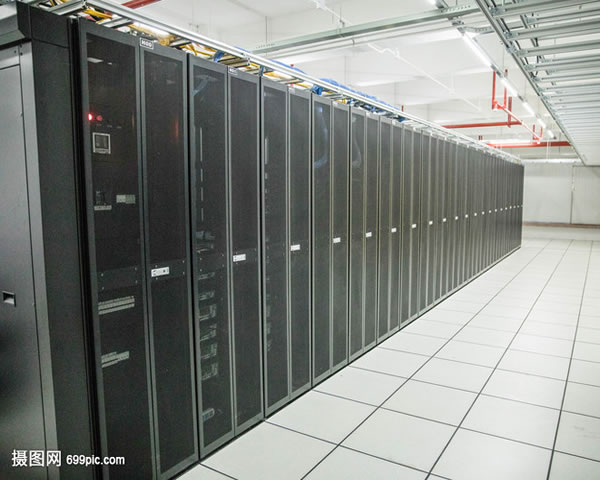
key factors that affect costs include instance specifications (cpu, memory), bandwidth and traffic billing, storage type and io performance, pricing differences between regions and availability zones, backup and snapshot costs, technical support and sla levels, and billing methods for network ingress and egress traffic. also consider the impact of taxes, billing currency and billing cycle on actual costs.
the evaluation should be based on usage duration, resource utilization and business elasticity requirements: calculate and compare the critical points of on-demand cumulative charges and long-term discount prices under the same configuration; simulate expansion and contraction costs during peak and trough periods; consider business growth expectations and cancellation costs; use cost calculators and historical usage data provided by cloud vendors to improve judgment accuracy.
optimization suggestions include: regularly review instance utilization and downgrade idle resources; adopt long-term leases and reserve certain elastic capacity for stable loads; use automatic expansion and contraction and traffic scheduling to reduce peak costs; choose appropriate storage and backup strategies to balance performance and cost; use monitoring and budget alerts to avoid abnormal bills.
deployments in japan should also consider compliance, data sovereignty and latency requirements, which may affect optional regions and services, thus affecting overall costs. enterprises should evaluate the additional costs of compliance requirements (such as proprietary connectivity, log retention, and compliance audit support) and factor these expenses into a long-term or on-demand decision model.
summary: there is no universal answer that is definitely "more cost-effective". the decision depends on your load stability, budget constraints and business flexibility. it is recommended to first conduct cost simulations based on historical usage, choose on-demand based on short-term fluctuations, and prioritize reserved or annual plans for long-term stable business. at the same time, use cloud vendor billing tools, monitoring and budget alerts to continuously optimize costs.
- Latest articles
- Automation And Monitoring Recommendations For Technicians Deploying Korean Subscription Servers
- Player Guide: Filling In Server Address And Network Optimization Tips For Honor Vietnam Server
- Usage Experience Sharing How Can Cambodia VPS Save Operation And Maintenance Costs In Actual Projects?
- Case Sharing: The Improvement Of Operation And Maintenance Efficiency Brought By Thailand IDC Computer Room Hosting
- Evaluation Report: Is Vultr A Japanese Native IP? Performance Comparison With Other Providers
- How To Judge Whether Thailand Vps Can Meet The Stability Of High Concurrent Access After Purchase
- Industry Standards Interpretation Of Standards And Compliance Requirements Related To Network Cable Routing In German Computer Rooms
- How To Judge Bandwidth Stability And Delay Through Hong Kong Line Equipment Room Prices
- The Transparent Replacement Process And Cost Suggestions Help You Reasonably Estimate How Much It Will Cost To Replace A Server In Thailand.
- Stability Improvement: Hardware And Network Optimization Methods When Taiwan’s Native IP Is Often Disconnected
- Popular tags
-

Advantages And Experience Of Japanese Vps Supporting Wechat Payment
discuss the advantages and usage experience of japanese vps supporting wechat payment to help users easily choose the appropriate vps service. -

Five Reasons And Advantages For Choosing Japanese Amazon VPS
Learn about the five reasons and advantages of choosing Japan's Amazon VPS, helping you make wise decisions and improve website performance and user experience. -

Is There A Vps In Japan? Detailed Explanation Of The Rental Process And Common Questions For Beginners.
this article answers the question: is there a vps in japan? it also explains in detail the renting process, configuration selection, network and filing precautions for vps in japan, as well as common questions and practical suggestions for beginners to help beginners get started quickly.